Missing teeth can make it harder to chew, speak, smile, and feel confident. At Financial District Dentistry, we provide dental implants in San Francisco to help restore your smile with strong, natural-looking tooth replacements designed for long-term function.
Our current dental implants page explains that implants are an alternative to removable dentures and can provide permanent new teeth to restore your mouth’s function and appearance. It also notes that implants can offer a successful and lasting solution for the loss of some or all teeth.
Financial District Dentistry
220 Montgomery St. Suite 120
San Francisco, CA 94104
Phone: (415) 399-9999
We serve patients throughout the Financial District, SoMa, Embarcadero, Union Square, Chinatown, Nob Hill, North Beach, Mission Bay, and downtown San Francisco.
What Are Dental Implants?
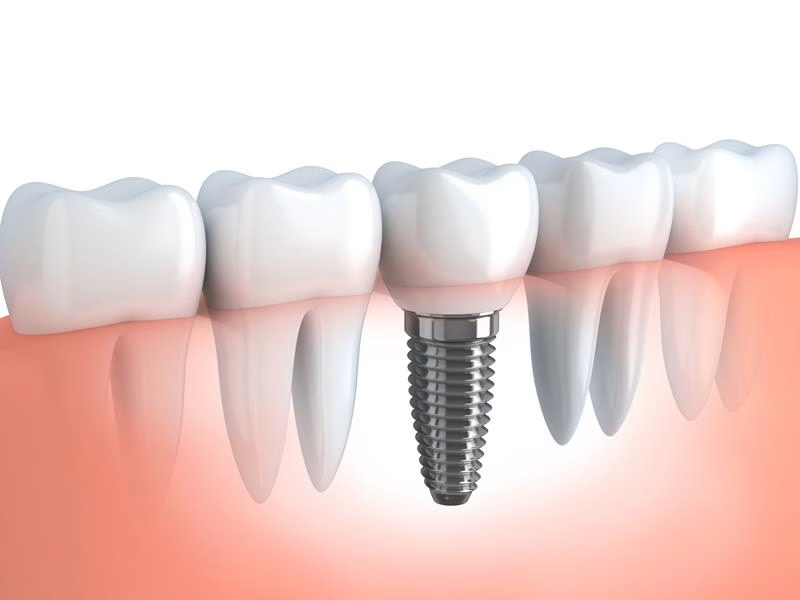
A dental implant is a small post placed in the jawbone to replace the root of a missing tooth. Once healed, the implant can support a crown, bridge, or denture.
The American Dental Association explains that dental implants are made from titanium and other biocompatible materials, are designed to blend with natural teeth, and are considered an effective long-term option for restoring missing teeth.
A dental implant restoration may include:
| Part | Purpose |
|---|---|
| Implant post | Replaces the missing tooth root |
| Abutment | Connects the implant to the restoration |
| Crown, bridge, or denture | Replaces the visible tooth or teeth |
Dental implants can replace one tooth, several teeth, or a full arch of missing teeth depending on your oral health, bone support, and treatment goals.
Why Replace Missing Teeth With Dental Implants?
A missing tooth can create more than a gap in your smile. Tooth loss can affect chewing patterns, speech, bite balance, jawbone health, and confidence.
The FDA notes that losing a tooth due to injury or disease can lead to complications such as rapid bone loss, speech problems, and changes in chewing patterns. Replacing a lost tooth with a dental implant can significantly improve quality of life and health.
Dental implants may help:
-
Restore chewing power
-
Improve smile appearance
-
Support clearer speech
-
Help preserve jawbone
-
Prevent removable dentures from slipping
-
Replace one tooth without reshaping neighboring teeth
-
Support bridges or dentures
-
Improve confidence in social and professional settings
Cleveland Clinic lists benefits of dental implants such as better chewing ability, enhanced smile, improved speech, jawbone preservation, longevity, and stability for loose dentures.
Dental Implant Options
Single Tooth Implant
A single dental implant replaces one missing tooth. The implant supports a custom crown designed to match your surrounding teeth.
This option can be ideal when the neighboring teeth are healthy because it usually does not require reshaping adjacent teeth the way a traditional bridge may.
Implant-Supported Bridge
An implant-supported bridge can replace several missing teeth in a row. Instead of relying on natural teeth for support, the bridge attaches to dental implants.
This option may help restore chewing strength while reducing stress on nearby natural teeth.
Implant-Supported Dentures
Implants can also help stabilize dentures. Implant-supported dentures may improve comfort, chewing ability, and confidence for patients who struggle with loose or shifting dentures.
Full-Arch Implant Restoration
For patients missing all or most teeth in an arch, implants may support a full-arch restoration. This can provide a more stable alternative to traditional removable dentures.
Dental Implants vs. Bridges vs. Dentures
Dental implants are not the only way to replace missing teeth. The right option depends on your health, jawbone support, number of missing teeth, budget, timeline, and preferences.
| Option | Benefits | Considerations |
|---|---|---|
| Dental implant | Stable, natural-looking, helps preserve bone | Requires surgery, healing time, and adequate bone |
| Dental bridge | Fixed, often faster than implant treatment | May require reshaping nearby teeth |
| Denture | Can replace many teeth, often lower initial cost | Removable and may feel less stable |
| Implant-supported denture | More stable than traditional dentures | Requires implant placement and planning |
Cleveland Clinic notes that dental implants can last a lifetime with proper hygiene and regular dental visits, while implant treatment typically requires careful planning, surgery, and healing.
Who Is a Good Candidate for Dental Implants?
You may be a candidate for dental implants in San Francisco if you are missing one or more teeth and want a stable, long-term replacement option.
Ideal candidates often have:
-
One or more missing teeth
-
Healthy gums
-
Adequate jawbone support
-
Good oral hygiene habits
-
No active untreated gum disease
-
Realistic expectations
-
A commitment to regular dental visits
-
Interest in a fixed or more stable tooth replacement
You may need additional planning if you have:
-
Bone loss in the implant area
-
Gum disease
-
Diabetes or certain medical conditions
-
A history of smoking or tobacco use
-
Teeth grinding or clenching
-
An infected or damaged tooth that still needs extraction
-
Existing dentures that need more stability
Your dentist will evaluate your mouth, health history, bite, bone level, and goals before recommending implant treatment.
What to Expect During the Dental Implant Process
1. Consultation and Exam
Your dentist evaluates your teeth, gums, bite, jawbone, and missing tooth area. Digital imaging may be recommended to assess bone support and plan treatment.
Financial District Dentistry offers modern dental technology and comprehensive services under one roof, helping patients receive coordinated care for missing teeth, restorations, and oral health needs.
2. Personalized Treatment Plan
Your treatment plan may include:
-
Number of implants needed
-
Whether a crown, bridge, or denture will be used
-
Whether extractions are needed
-
Whether bone grafting or periodontal care may be recommended
-
Timeline for healing and restoration
-
Cost and insurance considerations
3. Implant Placement
The implant post is placed in the jawbone. The area is numbed for comfort, and your dentist will explain what to expect before, during, and after treatment.
4. Healing and Osseointegration
During healing, the implant bonds with the jawbone through a process called osseointegration. This creates the stable foundation that allows the implant to support a replacement tooth.
5. Abutment and Final Restoration
Once the implant is ready, an abutment is attached, and a custom crown, bridge, or denture is placed. The restoration is designed to fit your bite and blend with your smile.
6. Maintenance Visits
Routine dental visits help protect the implant, gums, bite, and surrounding teeth.
How Long Do Dental Implants Last?
Dental implants are designed as a long-term solution. Cleveland Clinic states that dental implants can last a lifetime with proper hygiene and regular dental visits.
Implant longevity depends on:
-
Daily brushing and flossing
-
Regular dental cleanings
-
Gum health
-
Bite force
-
Smoking or tobacco use
-
Medical conditions
-
Bone support
-
Quality of implant maintenance
-
Protecting the implant from grinding with a night guard when needed
The implant post may last many years, but the crown, bridge, or denture attached to it may eventually need repair or replacement due to normal wear.
Are Dental Implants Painful?
Dental implant placement is performed with local anesthetic, so patients should not feel sharp pain during the procedure. Some soreness, swelling, or tenderness can occur afterward, similar to other oral surgery procedures.
Your dental team will provide instructions for eating, cleaning, activity level, medication, and follow-up care.
Dental Implant Recovery and Aftercare
Healing varies depending on the number of implants, whether extractions or grafting were needed, and your overall health.
General aftercare tips may include:
-
Rest after implant surgery.
-
Use cold compresses if recommended.
-
Eat soft foods during early healing.
-
Avoid smoking or tobacco.
-
Avoid chewing directly on the surgical area at first.
-
Take medications only as directed.
-
Keep the area clean according to your dentist’s instructions.
-
Attend follow-up visits.
-
Call the office if pain, swelling, bleeding, or fever worsens.
Dental implants need the same commitment to oral hygiene as natural teeth. The gums and bone around the implant must remain healthy for long-term success.
Can Dental Implants Replace Dentures?
Yes. Dental implants can sometimes replace traditional removable dentures or help stabilize existing dentures.
Financial District Dentistry’s current implant page states that dental implants are an alternative solution to dentures and can provide permanent new teeth to restore mouth function and appearance.
Implant-supported dentures may help if you:
-
Have loose dentures
-
Avoid certain foods because of denture movement
-
Feel embarrassed when dentures slip
-
Want stronger chewing support
-
Have sore spots from removable dentures
-
Want a more stable tooth replacement option
Your dentist can explain whether implant-supported dentures, a bridge, or another restorative option is best for your mouth.
Dental Implants and Jawbone Health
When a tooth is lost, the jawbone in that area no longer receives the same stimulation from chewing. Over time, the bone can shrink.
Dental implants replace the tooth root and help stimulate the jawbone. Cleveland Clinic specifically lists jawbone preservation as one of the benefits of dental implants.
This is one reason implants are often considered a strong long-term option for missing tooth replacement.
Risks and Considerations
Dental implants are highly successful for many patients, but they are still a surgical treatment and require careful planning.
Possible risks or considerations include:
-
Infection
-
Implant not bonding properly with bone
-
Gum inflammation
-
Nerve or sinus concerns in certain areas
-
Need for bone grafting
-
Bite-related overload
-
Smoking-related healing problems
-
Restoration wear or screw loosening
-
Need for long-term maintenance
The FDA notes that dental implant systems have benefits but also risks, and patients should discuss benefits and risks with their dental provider before treatment.
Why Choose Financial District Dentistry for Dental Implants in San Francisco?
30+ Years of Trusted Dental Care
Financial District Dentistry provides general and cosmetic dentistry in San Francisco backed by 30+ years of trusted care. The practice offers same-day emergency appointments, welcomes walk-ins, and provides comprehensive services for both smile function and aesthetics.
Implant Dentistry Training and Experience
Dr. Evangeline Amores brings decades of clinical experience and advanced training to patient care. She earned her DDS from Columbia University’s School of Dental and Oral Surgery, completed a General Practice Residency at NY Presbyterian Weill Cornell University Hospital of Columbia and Cornell, and completed a Fellowship in Special Care Dentistry at Albert Einstein Medical Center. She is also a member of the American Dental Association, California Dental Association, and American Academy of Implant Dentistry, and has completed implant dentistry coursework including the Maxi Implant Course at Loma Linda University.
Comprehensive Restorative Care
Dental implant treatment often involves multiple steps, from evaluation and possible extraction to implant placement, crown design, bite adjustment, and long-term maintenance. Financial District Dentistry offers a full range of services in one office, helping patients receive coordinated care.
Convenient Downtown Location
Our office is located at 220 Montgomery St. Suite 120, San Francisco, CA 94104, with office hours Monday through Thursday from 7:30 a.m. to 5:00 p.m.
Cost of Dental Implants in San Francisco
The cost of dental implants in San Francisco depends on several factors, including:
-
Number of implants
-
Type of restoration
-
Need for extraction
-
Need for bone grafting or periodontal treatment
-
Imaging and surgical planning
-
Materials used
-
Insurance benefits
-
Whether a crown, bridge, or denture is placed
Financial District Dentistry accepts most PPO insurance providers and is in network with Delta Dental® and Cigna®. The office accepts cash, check, credit/debit cards, and offers a 5% discount for cash payments.
For a personalized estimate, call (415) 399-9999.
When to Schedule a Dental Implant Consultation
Schedule a visit if you:
-
Are missing one or more teeth
-
Have a loose denture
-
Need a tooth extracted and want replacement options
-
Have an old bridge that is failing
-
Want a fixed alternative to removable dentures
-
Have trouble chewing because of missing teeth
-
Feel self-conscious about gaps in your smile
-
Want to compare dental implants, bridges, and dentures
Early planning can help preserve your options and protect your long-term oral health.
Schedule Dental Implants in San Francisco
If you are ready to replace missing teeth with a stable, natural-looking solution, Financial District Dentistry can help you explore your options and create a personalized treatment plan.
Call (415) 399-9999 or request an appointment today.
Financial District Dentistry
220 Montgomery St. Suite 120
San Francisco, CA 94104
Monday–Thursday: 7:30 a.m.–5:00 p.m.
Friday–Sunday: Closed
Frequently Asked Questions
What are dental implants?
Dental implants are tooth replacement posts placed in the jawbone to support a crown, bridge, or denture. They replace missing tooth roots and help restore chewing function and appearance.
Are dental implants permanent?
Dental implants are designed as a long-term tooth replacement option. With proper hygiene and routine dental visits, the implant post can last many years and may last a lifetime for some patients.
Who is a good candidate for dental implants?
Good candidates usually have healthy gums, enough jawbone support, good oral hygiene habits, and one or more missing teeth. Patients with gum disease, bone loss, uncontrolled medical conditions, or tobacco use may need additional planning.
Do dental implants hurt?
The implant area is numbed before placement, so patients should not feel sharp pain during the procedure. Mild soreness, swelling, or tenderness can occur during early healing.
How long does the dental implant process take?
The timeline varies. Some cases take a few months, while others take longer if extractions, grafting, or additional healing are needed. Your dentist will explain your expected timeline after the consultation.
Are dental implants better than dentures?
Dental implants may provide more stability, chewing support, and confidence than traditional removable dentures. However, dentures may still be a good option for some patients depending on health, budget, and goals.
Can dental implants replace all teeth?
Yes. Dental implants can support full-arch restorations or implant-supported dentures for patients missing most or all teeth in an arch.
Where can I get dental implants in downtown San Francisco?
Financial District Dentistry provides dental implant consultations and restorative dental care at 220 Montgomery St. Suite 120, San Francisco, CA 94104. Call (415) 399-9999 to schedule an appointment.