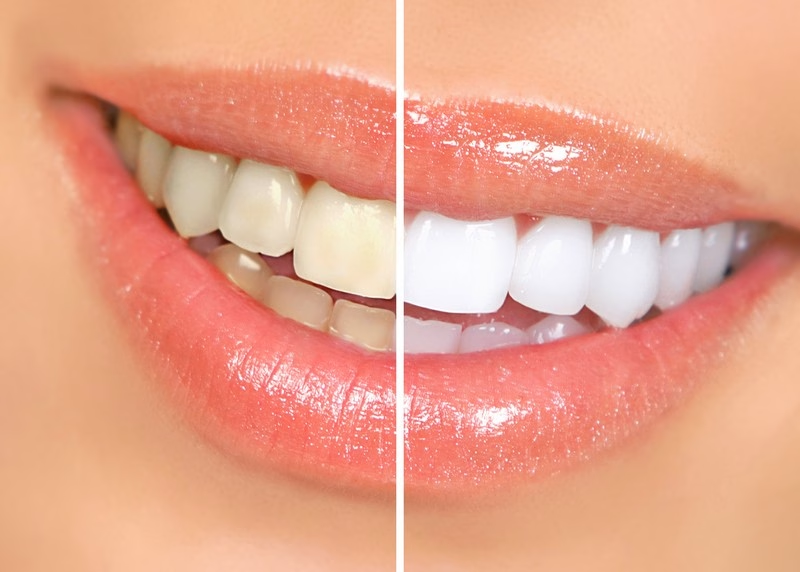
Coffee, tea, red wine, dark sauces, tobacco, aging, and everyday plaque buildup can gradually make teeth look dull, yellow, or stained. At Financial District Dentistry, we provide teeth whitening in San Francisco to help patients brighten their natural teeth and refresh the appearance of their smile.
Our current teeth whitening page explains that whitening is a common request from patients who want a whiter, brighter smile. The page also notes that foods and beverages such as wine and coffee can stain teeth and contribute to discoloration.
Financial District Dentistry
220 Montgomery St. Suite 120
San Francisco, CA 94104
Phone: (415) 399-9999
Our downtown office serves patients throughout the Financial District, SoMa, Embarcadero, Union Square, Chinatown, Nob Hill, North Beach, Mission Bay, and surrounding San Francisco neighborhoods.
What Is Professional Teeth Whitening?
Professional teeth whitening is a cosmetic dental treatment designed to lighten natural tooth enamel and reduce discoloration. Whitening products commonly use hydrogen peroxide or carbamide peroxide to break down stains within the tooth structure. The ADA notes that whitening treatments may include in-office bleaching, dentist-supplied take-home products, and over-the-counter options.
Teeth whitening can help improve stains caused by:
-
Coffee
-
Tea
-
Red wine
-
Dark berries
-
Cola and dark sodas
-
Tomato-based sauces
-
Soy sauce and curry
-
Tobacco use
-
Aging
-
Surface plaque and tartar buildup
-
Certain lifestyle habits
Professional whitening is most effective on natural teeth, not porcelain crowns, veneers, fillings, bridges, dentures, or other tooth-colored restorations. The ADA specifically states that only natural teeth can be whitened, not tooth-colored restorations.
Why Choose Professional Teeth Whitening?
Over-the-counter whitening products can help some patients, but professional whitening offers dentist-guided care, stronger treatment options, and a more personalized approach.
Benefits of professional whitening include:
| Benefit | Why It Matters |
|---|---|
| Dentist supervision | Helps confirm whitening is safe for your teeth and gums |
| Stronger whitening options | Professional products may provide faster, more noticeable results |
| Customized recommendations | Treatment can be matched to your stain type and sensitivity level |
| Gum and tooth evaluation | Cavities, gum disease, or exposed roots can be addressed first |
| More even results | A dentist can evaluate crowns, fillings, veneers, and uneven discoloration |
| Better safety guidance | Helps reduce overuse, sensitivity, or irritation |
Cleveland Clinic explains that professional whitening treatments often use stronger concentrations of hydrogen peroxide or carbamide peroxide than many at-home options, which can produce faster and more dramatic results.
Teeth Whitening vs. Whitening Toothpaste and Strips
Not all whitening products work the same way. Some remove surface stains, while others chemically bleach tooth color.
| Option | Best For | Limitations |
|---|---|---|
| Whitening toothpaste | Mild surface stains | Usually does not deeply change tooth shade |
| Whitening strips | Mild to moderate staining | May cause uneven results or gum irritation if misused |
| Whitening rinses | Light maintenance | Usually gradual and limited |
| Dentist take-home whitening | Customized gradual whitening | Requires consistent use |
| In-office whitening | Faster whitening | May cause temporary sensitivity |
MouthHealthy recommends discussing over-the-counter bleaching kits with your dentist and looking for products with the ADA Seal of Acceptance when choosing whitening products.
What Causes Tooth Discoloration?
Teeth can darken for several reasons. Some stains sit on the surface, while others affect the internal tooth structure.
Extrinsic Stains
These are surface stains on the enamel.
Common causes include:
-
Coffee
-
Tea
-
Red wine
-
Dark sodas
-
Tobacco
-
Plaque buildup
-
Certain foods and sauces
Intrinsic Stains
These stains occur inside the tooth structure.
Possible causes include:
-
Aging
-
Dental trauma
-
Certain medications
-
Excessive fluoride exposure during tooth development
-
Internal tooth changes
-
Deep discoloration that does not respond well to basic whitening
The ADA notes that whitening treatments can be effective for both extrinsic and intrinsic staining, but the outcome depends on the type and cause of discoloration.
Who Is a Good Candidate for Teeth Whitening?
You may be a candidate for professional teeth whitening in San Francisco if your teeth and gums are healthy and your discoloration is likely to respond to whitening.
Teeth whitening may be right for patients who:
-
Have yellow or dull natural teeth
-
Drink coffee, tea, or red wine regularly
-
Want a brighter smile before an event
-
Are preparing for photos, weddings, interviews, or presentations
-
Have healthy gums and no untreated cavities
-
Want a conservative cosmetic dental treatment
-
Prefer dentist-guided whitening instead of guessing with store-bought products
Whitening may not be ideal if you have:
-
Untreated cavities
-
Active gum disease
-
Significant tooth sensitivity
-
Exposed tooth roots
-
Dental restorations on visible front teeth
-
Gray or brown intrinsic stains
-
Existing crowns, veneers, bridges, or fillings that will not change color
-
Pregnancy-related concerns that should be discussed with your dentist or physician
A cosmetic dental exam helps determine whether whitening alone is enough or whether veneers, bonding, crowns, or another treatment would give a better result.
What to Expect During a Teeth Whitening Consultation
1. Smile Evaluation
Your dentist evaluates tooth color, stain type, enamel condition, gum health, restorations, and cosmetic goals.
2. Oral Health Check
Cavities, gum inflammation, exposed roots, or cracked teeth may need to be addressed before whitening to reduce sensitivity and protect oral health.
3. Shade Discussion
Your current shade may be compared with your desired shade. The goal is a brighter smile that still looks natural.
4. Whitening Recommendation
Your dentist may recommend in-office whitening, take-home whitening, whitening maintenance products, or another cosmetic option if stains will not respond predictably.
5. Sensitivity Planning
If you have sensitive teeth, your dentist may recommend desensitizing toothpaste, fluoride, shorter whitening sessions, or a more gradual approach.
Does Teeth Whitening Hurt?
Teeth whitening should not be painful, but some patients experience temporary sensitivity during or after treatment. Sensitivity may feel like a brief zing when drinking cold water or breathing in cool air.
Sensitivity is more likely if you have:
-
Gum recession
-
Exposed roots
-
Thin enamel
-
Existing tooth sensitivity
-
Cracks or worn edges
-
Untreated cavities
-
Aggressive or frequent whitening habits
Cleveland Clinic notes that whitening products can cause temporary tooth sensitivity or gum irritation, especially when used too often or improperly.
Is Teeth Whitening Safe?
Teeth whitening can be safe when used as directed and when your dentist confirms that your teeth and gums are healthy enough for treatment. Whitening is not one-size-fits-all, and overuse can increase sensitivity or irritation.
Dentist-guided whitening helps protect against:
-
Whitening over untreated cavities
-
Gum irritation from poorly fitting trays
-
Uneven results around restorations
-
Excessive sensitivity
-
Over-whitening
-
Using unsuitable products for your teeth
-
Expecting crowns or veneers to whiten
The ADA explains that carbamide peroxide and hydrogen peroxide are commonly used in whitening interventions and can penetrate dental hard tissues. It also emphasizes that restorations do not whiten like natural teeth.
How White Can My Teeth Get?
Results vary from patient to patient. Whitening depends on your natural tooth color, stain type, enamel thickness, age, diet, oral hygiene, and the whitening method used.
Whitening results may be affected by:
-
Starting tooth shade
-
Yellow vs. gray staining
-
Coffee, tea, or wine habits
-
Tobacco use
-
Enamel thickness
-
Tooth dehydration during treatment
-
Existing restorations
-
Frequency of touch-ups
-
Oral hygiene consistency
A natural-looking result is usually better than an overly bright shade that does not match your complexion, age, or smile.
Teeth Whitening Before Cosmetic Dentistry
Whitening is often recommended before cosmetic treatments such as bonding, veneers, or crowns. This is because dental restorations are color-matched to your teeth and do not whiten later.
Whitening may be helpful before:
-
Cosmetic bonding
-
Porcelain veneers
-
Porcelain crowns
-
Smile makeover planning
-
Replacing old front-tooth fillings
-
Replacing visible crowns or bridges
If you plan to improve your smile with multiple cosmetic services, your dentist may recommend whitening first, then matching restorations to your brighter shade.
Teeth Whitening for Coffee, Tea, and Wine Stains
Coffee, tea, and red wine are common causes of tooth staining because they contain dark pigments that can attach to enamel.
To reduce new stains:
-
Rinse with water after coffee or tea.
-
Use a straw for iced coffee or dark drinks.
-
Avoid slowly sipping stain-causing drinks all day.
-
Brush after meals when appropriate.
-
Keep up with professional cleanings.
-
Schedule whitening touch-ups as recommended.
Financial District Dentistry’s current whitening page specifically identifies coffee and wine as common stain contributors.
How Long Do Teeth Whitening Results Last?
Whitening is not permanent. Results can last longer when you maintain good oral hygiene and limit stain-causing habits.
Results may fade faster if you:
-
Drink coffee daily
-
Drink red wine often
-
Smoke or use tobacco
-
Eat dark sauces frequently
-
Skip dental cleanings
-
Have heavy plaque buildup
-
Do not use whitening maintenance as recommended
Professional cleanings help remove surface buildup, while periodic whitening touch-ups can help maintain brightness.
Teeth Whitening Aftercare
After whitening, teeth may be more likely to absorb stains for a short time. Your dentist may give specific instructions based on your whitening method.
After whitening, consider avoiding:
-
Coffee
-
Tea
-
Red wine
-
Dark sodas
-
Soy sauce
-
Curry
-
Tomato sauce
-
Berries
-
Tobacco
-
Highly pigmented foods and drinks
Helpful habits include:
-
Drinking water after meals
-
Brushing and flossing daily
-
Using sensitivity toothpaste if recommended
-
Keeping regular cleanings
-
Wearing take-home trays only as directed
-
Avoiding overuse of whitening products
Professional Whitening vs. Veneers
Teeth whitening is best for patients who like the shape and alignment of their teeth but want a brighter shade. Veneers may be better when the issue is color plus shape, spacing, chips, wear, or stubborn discoloration.
| Treatment | Best For | Changes Tooth Shape? |
|---|---|---|
| Teeth whitening | Yellow or stained natural teeth | No |
| Cosmetic bonding | Small chips, gaps, or discoloration | Yes, minor changes |
| Porcelain veneers | Shape, color, spacing, symmetry, deeper cosmetic concerns | Yes |
| Crowns | Weak, damaged, or heavily restored teeth | Yes, full coverage |
Your dentist can help determine whether whitening alone will meet your goals or whether a broader cosmetic plan is better.
Why Choose Financial District Dentistry for Teeth Whitening in San Francisco?
Downtown Cosmetic Dentistry
Financial District Dentistry provides cosmetic dentistry services from its convenient downtown office at 220 Montgomery St. Suite 120, San Francisco, CA 94104. The practice is located near Montgomery Street, the Financial District, Embarcadero, SoMa, Union Square, Chinatown, Nob Hill, North Beach, and Mission Bay.
Personalized Smile Evaluation
The practice provides comprehensive dental care and personalized treatment planning, helping patients choose whitening, veneers, crowns, bonding, or other cosmetic services based on their smile goals and oral health needs.
Convenient Office Hours
Financial District Dentistry is open Monday through Thursday, 7:30 a.m. to 5:00 p.m., with Friday through Sunday closed.
Patient-Focused Experience
The practice welcomes new patients and offers appointment requests through its website, making it easier for downtown San Francisco patients to plan cosmetic dental care.
Cost of Teeth Whitening in San Francisco
The cost of teeth whitening in San Francisco depends on the whitening method, the number of visits, stain severity, sensitivity needs, and whether other dental treatment is needed first.
Cost may vary based on:
-
In-office whitening vs. take-home whitening
-
Current tooth shade
-
Desired shade improvement
-
Tooth sensitivity
-
Need for dental cleaning first
-
Existing crowns, veneers, or fillings
-
Cosmetic treatment goals
-
Whitening maintenance needs
Teeth whitening is usually considered cosmetic, so insurance coverage may be limited. For personalized pricing, call (415) 399-9999.
When to Schedule Teeth Whitening
Schedule a whitening consultation if you:
-
Want a brighter smile
-
Have coffee, tea, or wine stains
-
Notice yellowing from age or lifestyle habits
-
Are preparing for an event
-
Want whitening before veneers, bonding, or crowns
-
Feel self-conscious in photos
-
Have tried store-bought whitening without the result you wanted
-
Want dentist-supervised whitening for safety and comfort
A short consultation can help determine whether whitening is the best cosmetic choice for your smile.
Schedule Teeth Whitening in San Francisco
If your smile looks dull, yellow, or stained, Financial District Dentistry can help you explore safe, effective teeth whitening options in downtown San Francisco.
Call (415) 399-9999 or request an appointment today.
Financial District Dentistry
220 Montgomery St. Suite 120
San Francisco, CA 94104
Monday–Thursday: 7:30 a.m.–5:00 p.m.
Friday–Sunday: Closed
Frequently Asked Questions
What is professional teeth whitening?
Professional teeth whitening is a cosmetic dental treatment that lightens natural tooth enamel using dentist-guided whitening products, usually containing hydrogen peroxide or carbamide peroxide.
Is teeth whitening safe?
Teeth whitening can be safe when used as directed and recommended by a dentist. A dental exam helps identify cavities, gum disease, exposed roots, or restorations that could affect whitening safety or results.
Does teeth whitening work on crowns or veneers?
No. Whitening works on natural teeth, but it does not change the color of crowns, veneers, fillings, bridges, or dentures. The ADA states that only natural teeth can be whitened.
What stains respond best to teeth whitening?
Yellow stains from coffee, tea, wine, tobacco, and aging often respond better than gray, brown, or medication-related discoloration.
Does teeth whitening cause sensitivity?
Some patients experience temporary sensitivity or gum irritation. Dentist-guided whitening can help reduce risk by matching treatment to your enamel, gum health, and sensitivity level.
How long do teeth whitening results last?
Results vary. Coffee, tea, wine, tobacco, plaque buildup, and inconsistent home care can cause stains to return faster. Regular cleanings and touch-ups may help maintain brightness.
Should I whiten my teeth before veneers or crowns?
Often, yes. Whitening before cosmetic restorations may help your dentist match veneers, bonding, or crowns to a brighter shade, since restorations will not whiten later.
Where can I get teeth whitening in downtown San Francisco?
Financial District Dentistry provides teeth whitening consultations at 220 Montgomery St. Suite 120, San Francisco, CA 94104. Call (415) 399-9999 to schedule an appointment.